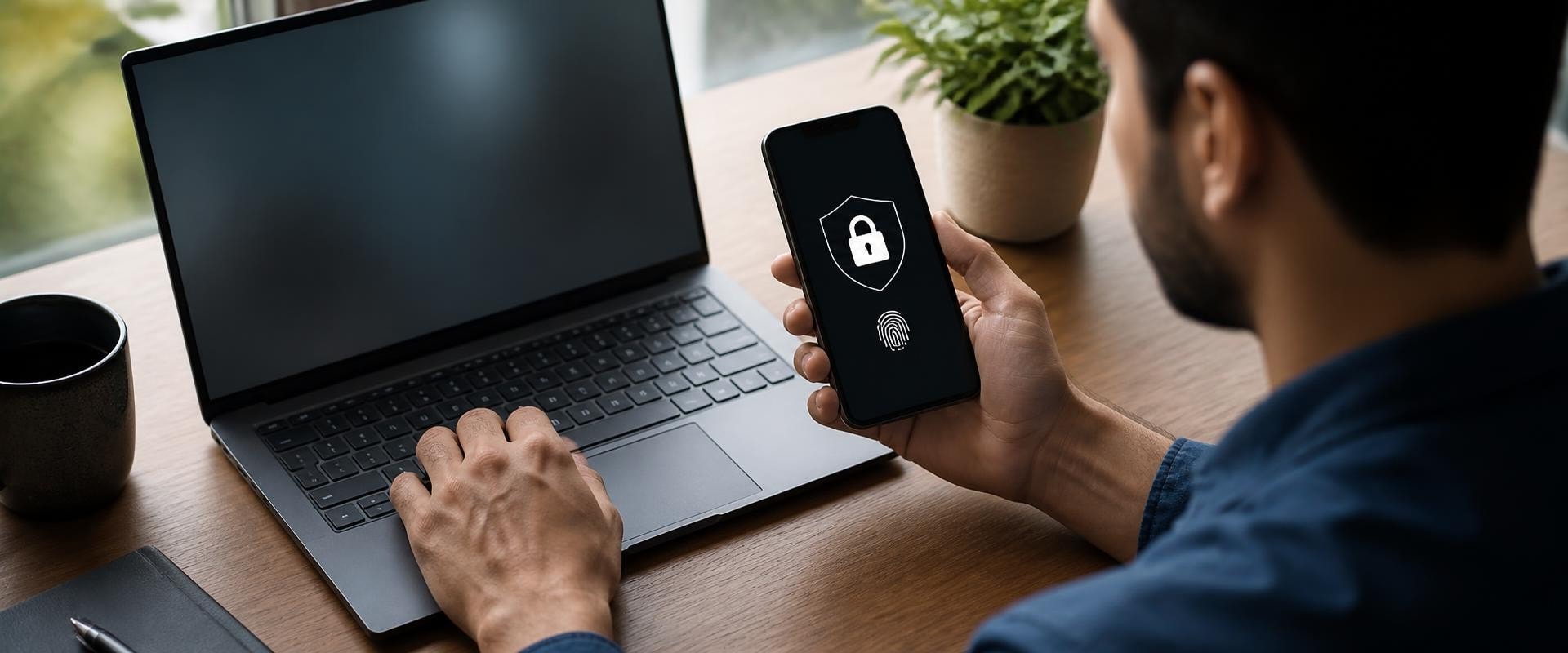
In an age where digital interactions are a cornerstone of daily life, the importance of securing our online identities cannot be overstated. Implementing multi-factor authenticationImplementing multi-factor authentication (MFA) has emerged as a pivotal strategy in the ongoing battle against cyber threats. With data breaches and identity theft becoming alarmingly common, individuals and organizations alike are seeking robust solutions to protect their sensitive information. The reality is that traditional password-based security measures are no longer sufficient. Cybercriminals have become increasingly sophisticated, employing a range of tactics to bypass basic defenses. (MFA) has emerged as a pivotal strategy in the ongoing battle against cyber threats. With data breaches and identity theft becoming alarmingly common, individuals and organizations alike are seeking robust solutions to protect their sensitive information. The reality is that traditional password-based security measures are no longer sufficient. Cybercriminals have become increasingly sophisticated, employing a range of tactics to bypass basic defenses.
This is where multi-factor authentication steps in, providing an extra layer of security that requires not just a password but additional verification methods—such as a text message code, biometric recognition, or a hardware token. In this article, we will explore the significance of enhancing online security through multi-factor authentication, delving into its mechanisms, benefits, and best practices for implementation. Whether you’re a business owner looking to safeguard customer data or an individual wanting to enhance your personal security, understanding MFA is crucial in today’s digital landscape. Join us as we unpack the essentials of this powerful security measure and guide you towards a safer online experience. The rise of digital interactions has been accompanied by an alarming increase in data breaches and cyber threats, underscoring the necessity for robust security measures. In today's landscape, where sensitive information is frequently exchanged online, implementing strong protective strategies is no longer optional—it is essential.
Recent high-profile incidents, such as the Equifax breach and the SolarWinds attack, serve as stark reminders of the vulnerabilities inherent in our digital systems. In this context, multi-factor authentication (MFA) emerges as a critical solution to enhance online security.
Multi-factor authentication
is a security process that requires users to provide multiple forms of verification before gaining access to an account or system. By requiring more than just a password, MFA adds an extra layer of protection against unauthorized access. The most common methods of MFA include SMS codes, authentication apps, and biometric verification.SMS codes involve sending a one-time code to the user’s mobile device, which must be entered in addition to the password. Authentication apps, such as Google Authenticator or Authy, generate time-sensitive codes that are used similarly. Biometric verification leverages unique physical characteristics, such as fingerprints or facial recognition, to confirm a user’s identity. The significance of MFA in preventing unauthorized access cannot be overstated, especially in light of the increasing frequency of data breaches. A study conducted by the Cybersecurity and Infrastructure Security Agency (CISA) found that over 80% of data breaches involve compromised passwords.
By implementing multi-factor authentication, organizations can drastically reduce the likelihood of unauthorized access. For instance, a notable case involved Microsoft reporting that enabling MFA blocked over 99% of automated attacks on its accounts. These statistics illustrate the effectiveness of MFA in thwarting cyber threats. Despite its effectiveness, some users may express concerns about the convenience versus security balance that MFA presents. It is true that additional steps in the login process can be seen as cumbersome; however, the trade-off is well worth it when considering the potential consequences of a compromised account.
For example, financial institutions often require MFA to protect customers’ accounts from fraud. In one notable case, a bank was able to prevent unauthorized access to a customer’s account after they had enabled MFA. The fraudster attempted to log in and was thwarted by the requirement for an additional verification step sent to the customer's mobile device. While it is important to acknowledge that multi-factor authentication is not foolproof—no security measure can claim absolute immunity from attacks—it significantly raises the barrier for attackers. The complexity introduced by requiring multiple forms of verification makes it much more challenging for hackers to gain unauthorized access.
Experts consistently advocate for MFA as a necessary component of modern cybersecurity strategies. According to Bruce Schneier, a renowned security technologist, "Security is not about eliminating risk; it's about managing risk," which aptly highlights MFA's role in enhancing security without guaranteeing infallibility. In conclusion, implementing multi-factor authentication is an essential step toward safeguarding sensitive information against the backdrop of increasing cyber threats and data breaches. By understanding how MFA works and its significance in preventing unauthorized access, users and organizations alike can better appreciate its role in enhancing online security. As we navigate an increasingly digital world, embracing MFA will be crucial for protecting personal and organizational data from malicious actors.
What is Multi-Factor Authentication?
Multi-Factor Authentication (MFA) is a security mechanism that requires users to provide two or more verification factors to gain access to a resource, such as an application or online account.This approach enhances security by adding additional layers of protection beyond just a username and password. The components of MFA typically fall into three categories:
- Something you know: This is usually a password or PIN that the user must enter. It serves as the first line of defense.
- Something you have: This component includes physical devices such as smartphones, security tokens, or smart cards that generate a temporary code for authentication.
- Something you are: This refers to biometric verification methods, such as fingerprints, facial recognition, or voice recognition, which are unique to the individual user.
Real-World Examples of MFA in Action
In recent years, multi-factor authentication (MFA) has been instrumental in thwarting various cyber threats across different sectors. One notable case occurred in 2019 when a major financial institution implemented MFA across its online banking platform. Following the implementation, the bank reported a significant decrease in unauthorized access attempts, demonstrating the effectiveness of MFA in protecting sensitive customer information. Another compelling example comes from a well-known social media platform that faced a series of high-profile account takeovers.After introducing MFA, the platform saw a dramatic reduction in account compromise incidents. This led to greater user trust and a more secure environment for sharing personal content. Furthermore, a prominent healthcare organization that adopted MFA as part of its data protection strategy managed to safeguard patient records during a targeted cyberattack. The attackers were initially able to breach the network but were halted at the authentication stage due to the presence of MFA. This incident underscores how MFA can act as a critical barrier against unauthorized access. These examples illustrate that implementing multi-factor authentication not only enhances security but also fosters trust among users, proving that it is an essential measure in today's digital landscape.
Why MFA Matters in Cybersecurity
The rise in cyber threats and data breaches has made it increasingly clear that traditional security measures, such as passwords alone, are no longer sufficient.Multi-factor authentication (MFA) serves as a critical layer of defense against unauthorized access to sensitive information. With the increasing sophistication of cyber attacks, relying solely on passwords poses significant risks. Cybercriminals often use various tactics, such as phishing or brute force attacks, to gain access to user accounts. By implementing MFA, organizations can significantly reduce the likelihood of unauthorized access, as it requires users to provide multiple forms of verification before gaining entry. Recent high-profile incidents have underscored the urgency of adopting robust security measures like MFA. For instance, breaches involving major corporations have exposed millions of user accounts, emphasizing that even well-known companies can fall victim to cyber threats.
In many cases, these breaches could have been prevented or mitigated through the adoption of multi-factor authentication. Moreover, MFA is particularly relevant in an era where remote work and cloud services are becoming the norm. As employees access sensitive data from various devices and locations, the risk of exposure increases.
MFA
adds an essential layer of security by verifying user identity through something they know (a password), something they have (a mobile device), or something they are (biometric verification).In summary, the relevance of MFA in preventing data breaches cannot be overstated. As organizations strive to protect sensitive information and maintain customer trust, implementing multi-factor authentication is a crucial step toward a more secure online environment.Common Misconceptions About MFA
As organizations and individuals seek to enhance their online security, multi-factor authentication (MFA) often comes up as a recommended solution.However, several myths and misconceptions surround its implementation and effectiveness. Addressing these misunderstandings is crucial for users to fully leverage the benefits of MFA. One common myth is that MFA is too complicated for everyday use. While it’s true that adding extra layers of security may seem daunting, modern MFA solutions have evolved to be user-friendly. Many systems now offer options like biometric verification or one-time codes sent via SMS, making the process seamless and intuitive for users. Another misconception is that MFA is only necessary for high-security environments.
In reality, cyber threats are pervasive and affect everyone, not just large corporations or sensitive data holders. Implementing MFA can significantly reduce the risk of unauthorized access, making it a prudent choice for all users. Some people believe that MFA guarantees complete security. While it greatly enhances protection, no security measure is entirely foolproof. It’s essential to combine MFA with other best practices, such as strong password policies and regular software updates, to create a robust security posture. Lastly, there’s a belief that implementing MFA is costly and time-consuming.
In fact, many platforms offer built-in MFA options at no additional cost. The time invested in setting up MFA is minimal compared to the potential losses from a data breach, making it a wise investment in security. By dispelling these myths, we can encourage more users and organizations to adopt multi-factor authentication, ultimately leading to a safer online environment for everyone.
Implementing MFA: A Step-by-Step Approach
Implementing multi-factor authentication (MFA) is a vital step in enhancing your online security. By requiring multiple forms of verification, MFA significantly reduces the risk of unauthorized access to your accounts. Here’s a practical, step-by-step approach to enable MFA across various platforms.Step 1: Assess Your Accounts
Begin by identifying all the online accounts that you use, especially those that contain sensitive information such as banking, email, and social media accounts.Most reputable services now offer MFA options.
Step 2: Check for MFA Availability
Log into each account and navigate to the security settings. Look for an option labeled In today’s digital landscape, the increasing frequency of data breaches and cyber threats has underscored the necessity of robust security measures.Implementing multi-factor authentication
(MFA) is not just an option; it is a critical component of personal cybersecurity strategies. By requiring multiple forms of verification, MFA significantly reduces the risk of unauthorized access to sensitive accounts. As we have explored, the benefits of MFA extend beyond basic password protection.With high-profile incidents highlighting vulnerabilities in traditional security measures, it is imperative for individuals and organizations alike to adopt MFA as a fundamental practice. This proactive step can safeguard personal information and enhance overall online security. We urge you to take immediate action: enable MFA on your accounts today. Staying informed about emerging threats and continuously assessing your security posture is equally important. Together, by embracing advanced security measures like MFA, we can create a safer online environment for everyone.