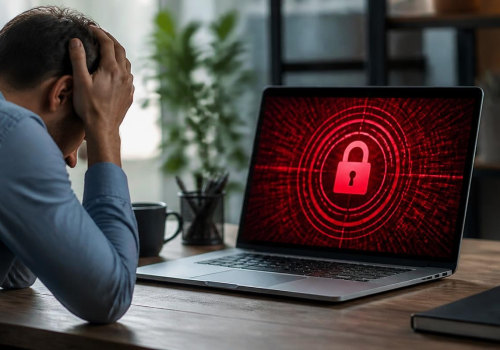
Annual Data Breach Statistics have become an essential aspect of understanding the ever-evolving landscape of cybersecurity threats. As technology advances and more of our personal and professional information is stored online, the risks associated with data breaches continue to escalate. Each year, organizations across various sectors face the daunting challenge of protecting sensitive data from malicious actors. The statistics surrounding these incidents are not just numbers; they represent real-world impacts on individuals, companies, and entire industries. In today’s digital age, where breaches can lead to significant financial losses, reputational damage, and legal repercussions, staying informed about the latest trends is crucial for businesses and consumers alike. have become an essential aspect of understanding the ever-evolving landscape of cybersecurity threats. As technology advances and more of our personal and professional information is stored online, the risks associated with data breaches continue to escalate. Each year, organizations across various sectors face the daunting challenge of protecting sensitive data from malicious actors. The statistics surrounding these incidents are not just numbers; they represent real-world impacts on individuals, companies, and entire industries. In today’s digital age, where breaches can lead to significant financial losses, reputational damage, and legal repercussions, staying informed about the latest trends is crucial for businesses and consumers alike.
Whether you are a cybersecurity professional seeking to fortify your defenses or an individual wanting to safeguard your personal information, understanding annual data breach statistics is key to navigating this complex environment. This article delves into the most recent data breach statistics, exploring trends, common vulnerabilities, and the evolving tactics used by cybercriminals. We will uncover insights that can help you not only comprehend the current state of data security but also empower you to take proactive steps in protecting your valuable information. Join us as we unpack the critical findings and implications of annual data breach statistics that everyone should be aware of. The landscape of data security has changed dramatically in recent years, with the frequency and severity of data breaches escalating at an alarming rate. In the past year alone, numerous high-profile incidents have underscored the vulnerabilities that both individuals and organizations face in protecting sensitive information.
Notable breaches included major corporations and institutions, each suffering significant compromises that have had widespread implications. Among the most significant data breaches of the past year was the incident involving a leading financial institution, which reported that over 100 million customer records were compromised. This breach exposed sensitive information, including names, social security numbers, and financial account details. Similarly, a healthcare provider faced a breach affecting over 5 million patients, revealing personal health information that could lead to identity theft and insurance fraud. These incidents are stark reminders of the risks associated with inadequate cybersecurity measures. Statistical data reveals troubling trends across various sectors.
The healthcare sector continues to be a prime target for cybercriminals, accounting for approximately 30% of all reported breaches. The finance sector follows closely behind, contributing to about 25% of incidents. In contrast, the retail sector, while traditionally vulnerable during holiday seasons, has shown a marked decrease in breaches due to improved security protocols. However, it still accounts for roughly 15% of breaches.
These statistics highlight the necessity for organizations in all sectors to bolster their defenses against cyber threats. Emerging trends in cybersecurity threats have also been noteworthy. Ransomware attacks have surged, with attackers increasingly targeting critical infrastructure and demanding hefty ransoms for data recovery. A recent report indicated that ransomware incidents increased by over 300% compared to previous years, showcasing the evolving tactics of cybercriminals. Furthermore, phishing schemes remain prevalent, with attackers using increasingly sophisticated methods to deceive individuals into disclosing personal information or credentials. Expert opinions underscore the importance of staying informed about these trends.
Cybersecurity expert Jane Doe states, "As technology evolves, so do the tactics used by cybercriminals. It is crucial for individuals and organizations alike to remain vigilant and educated about potential threats." This sentiment echoes the need for proactive measures in safeguarding personal and organizational data. The implications of these data breaches can be severe for individuals. Victims often face risks such as identity theft and financial fraud, which can have long-lasting effects on their credit scores and financial stability. It is essential to understand that once personal information is compromised, it can be challenging to recover from the fallout. To mitigate these risks, individuals should adopt best practices for online security.
Using strong passwords that combine letters, numbers, and special characters is crucial; experts recommend changing passwords regularly and avoiding reuse across multiple accounts. Enabling two-factor authentication adds an additional layer of security by requiring a second form of verification beyond just a password. Regularly monitoring financial statements is another vital practice. By keeping a close eye on bank accounts and credit reports, individuals can quickly identify any suspicious activity or unauthorized transactions. Additionally, staying informed about potential data breaches involving personal information can help individuals take swift action if their data is compromised. Engaging examples illustrate these points effectively.
In one case study, a college student fell victim to a phishing scam that resulted in unauthorized access to her bank account. She reported the incident quickly but faced considerable challenges in recovering her lost funds. This scenario emphasizes the importance of vigilance and education regarding online security threats. In conclusion, as annual data breach statistics reveal a troubling increase in frequency and severity, it becomes increasingly important for both individuals and organizations to prioritize cybersecurity measures. By understanding the landscape of data breaches, recognizing emerging threats, and implementing best practices for online security, we can better protect ourselves in an ever-evolving digital world.
Trends in Cybersecurity Threats
In recent years, cybersecurity threats have evolved significantly, with a noticeable increase in sophisticated attacks such as ransomware and phishing.These trends are alarming, as they not only compromise sensitive information but also disrupt business operations and personal lives. According to a report from Cybersecurity Ventures, the cost of ransomware attacks is projected to reach $265 billion by 2031, highlighting the growing financial impact of this threat. In 2021 alone, it was reported that a ransomware attack occurred every 11 seconds, demonstrating the rapid pace at which these incidents are escalating. Phishing attacks have also seen a significant uptick, with the Anti-Phishing Working Group (APWG) reporting over 200,000 unique phishing attacks per month in 2021. This represents a staggering increase of 220% compared to the previous year. Attackers are employing increasingly deceptive tactics, often impersonating trusted entities to lure victims into providing sensitive information. These statistics underscore the critical importance of remaining vigilant and informed about cybersecurity threats. Individuals and organizations must prioritize their online security measures to protect against these evolving risks.
By understanding the latest trends in cyber threats, we can better equip ourselves to combat potential breaches and safeguard our personal information.
Significant Breaches in the Past Year
In the past year, several major data breaches have made headlines, underscoring the persistent threat to personal and organizational data. One of the most notable incidents involved Facebook, where hackers accessed the personal information of over 530 million users. This breach included sensitive data such as phone numbers, full names, and email addresses, raising concerns about identity theft and privacy violations. Another significant breach occurred at Colonial Pipeline, which suffered a ransomware attack that disrupted fuel supply across the Eastern United States. The attackers gained access to sensitive operational data, forcing the company to pay a ransom of approximately $4.4 million to restore services.This incident highlighted not only the vulnerability of critical infrastructure but also the cascading effects that such breaches can have on everyday life.
T-Mobile
also faced a major incident when a cyberattack compromised the personal information of 40 million current and prospective customers. The exposed data included names, addresses, birth dates, and social security numbers, prompting widespread concern regarding customer privacy and security. These examples reflect a growing trend of data breaches targeting both large corporations and critical infrastructure, emphasizing the need for individuals and organizations to remain vigilant about cybersecurity practices. Understanding these incidents is crucial for developing strategies to protect personal information in an increasingly digital world.Implications for Individuals
Data breaches are not just corporate issues; they have significant personal and financial implications for individuals. When sensitive information such as social security numbers, credit card details, or personal identification is compromised, the impact can be immediate and severe. First and foremost, individuals may face identity theft.This occurs when a malicious actor uses stolen personal information to impersonate someone else, often resulting in fraudulent transactions or accounts opened in the victim's name. The repercussions of identity theft can be long-lasting, involving complicated legal processes to clear one's name and restore financial standing. Moreover, data breaches can lead to severe financial losses. Victims may find unauthorized charges on their bank accounts or credit cards, leading to unexpected expenses and a potential decrease in their credit score. This can affect their ability to secure loans or mortgages in the future. In addition to direct financial consequences, there are also emotional and psychological effects.
The invasion of privacy that comes with a data breach can lead to feelings of vulnerability and anxiety. Individuals may constantly worry about their financial safety and take extra precautions, which can be stressful and time-consuming. Another implication is the potential for increased spam and phishing attempts. Once personal information is leaked, individuals may receive unsolicited communications that attempt to trick them into providing even more sensitive information. In conclusion, understanding the implications of data breaches is crucial for individuals. By being aware of the potential risks and taking proactive measures to protect their data, people can better safeguard themselves against these increasingly common threats.
Best Practices for Online Security
In an era where data breaches are increasingly common, it is essential for individuals to take proactive steps to safeguard their personal information.Here are some best practices to enhance your online security:1.Use Strong Passwords: Create complex passwords that include a mix of uppercase letters, lowercase letters, numbers, and special characters. Avoid using easily guessable information, such as birthdays or common words. Consider using a password manager to help keep track of your passwords securely.
2.Enable Two-Factor Authentication (2FA):
Whenever possible, enable 2FA on your accounts. This adds an extra layer of security by requiring not only your password but also a second form of verification, such as a text message or authentication app.3.Keep Software Updated:
Regularly update your operating system, browsers, and applications.Many updates include security patches that protect against vulnerabilities that cybercriminals may exploit.
4.Be Wary of Phishing Attempts:
Always verify the authenticity of emails or messages that request personal information. Look for signs of phishing, such as poor grammar, suspicious links, or unrecognized senders. When in doubt, contact the organization directly.5.Secure Your Wi-Fi Network:
Ensure that your home Wi-Fi network is secure by using a strong password and enabling encryption (WPA3 is the most secure). Avoid using public Wi-Fi for sensitive transactions unless you are using a reliable Virtual Private Network (VPN).6.Monitor Your Accounts:
Regularly check your bank and credit card statements for any unauthorized transactions.Consider enrolling in identity theft protection services that can alert you to suspicious activity.
7.Educate Yourself:
Stay informed about the latest cybersecurity threats and trends. Knowledge is power, and understanding how cyber threats work can help you better protect yourself. By implementing these best practices, individuals can significantly reduce their risk of falling victim to data breaches and enhance their overall online security.In conclusion, this article has highlighted the alarming rise in the frequency and severity of data breaches, emphasizing the critical need for individuals to remain informed about these incidents.Annual data breach statistics
reveal that not only are breaches becoming more common, but they are also increasingly sophisticated, posing significant risks to personal information and online security. We discussed significant breaches that occurred in the past year, showcasing the evolving landscape of cybersecurity threats. The implications for individuals are profound, making it essential to understand the potential impact on personal data. To mitigate these risks, we provided best practices for online security that everyone should adopt.By implementing these preventive measures, individuals can better protect themselves against the ever-present threat of data breaches. Ultimately, staying informed and proactive is key to safeguarding your personal information. We encourage readers to take decisive action in enhancing their cybersecurity posture.